“Such a resource has been long overdue but was beyond the skill set of most conservation scientists.” That’s how Crickette Sanz described a challenge facing her wildlife conservation research: enormous amounts of valuable data waiting to be analyzed, without the technical capacity to do it at scale. This summer, a student team from the Digital Transformation Research Corps met that need through the creation of a working tool.
That gap, between an ambitious research question and the technical capacity to pursue it, is exactly what the Digital Transformation Research Corps (DTRC) is designed to help close.
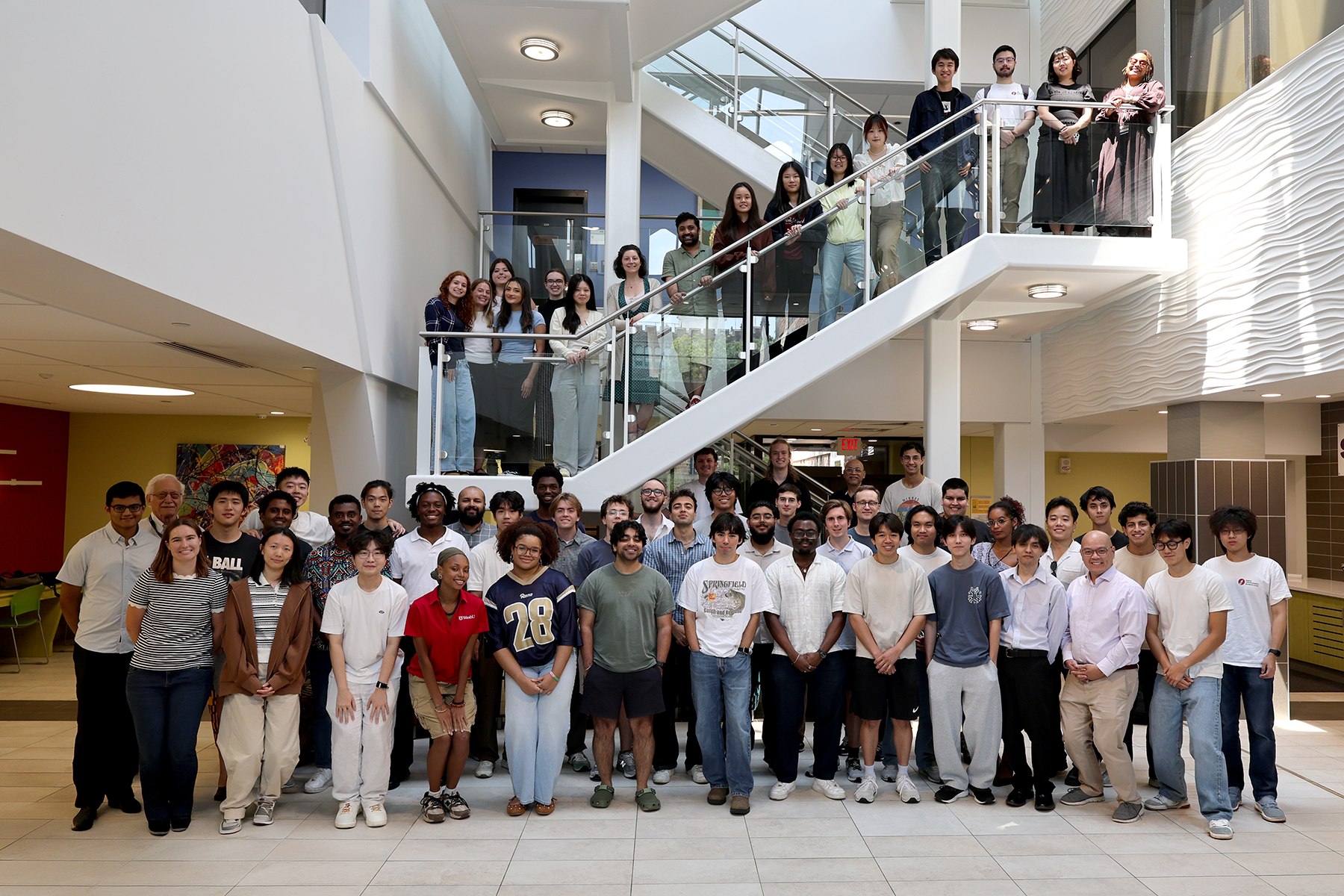
Over 10 weeks, the DTRC brought together more than 50 students and 46 faculty investigators across 22 projects, using AI, data science and software development to advance research across disciplines.
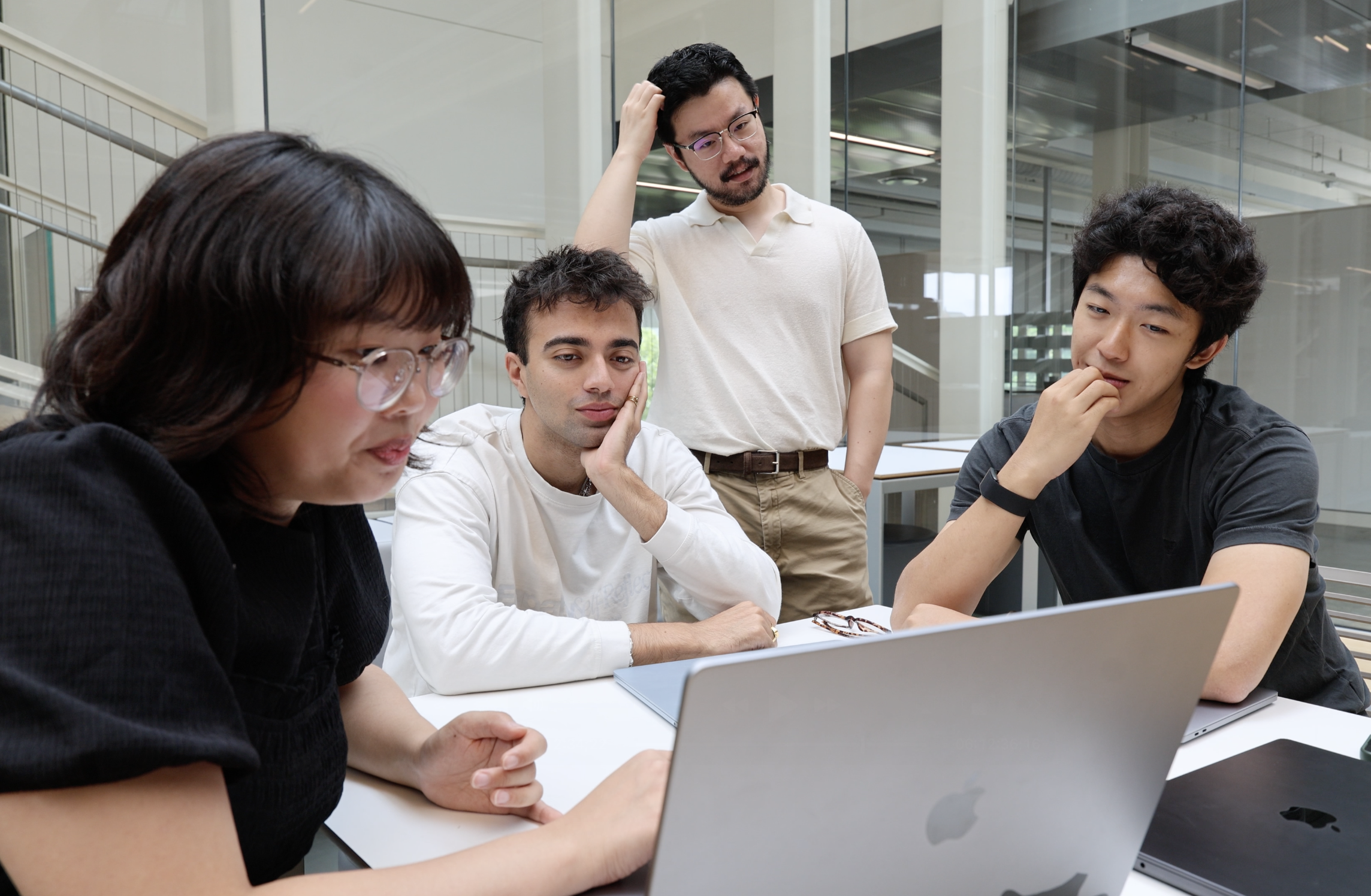
The DTRC model pairs faculty investigators, who bring deep subject-matter expertise and the research questions, with student developers, data scientists, AI practitioners and designers who provide dedicated technical capacity. Experienced technical leads guide architecture and development decisions, while project managers keep the complex projects moving.
As student developer Oseremen Ojiefoh described it, “A lot of the job was translation, sitting between the science and the software, taking the researchers’ questions and user stories and figuring out how to express them as an interface.”
Led by the DI2 Accelerator, with support from WashU IT, the DTRC is part of WashU’s broader AI initiative to harness AI to accelerate research while preserving disciplinary expertise and human judgment. The program is designed not just to build technology, but to move research projects toward the next stage, including external funding, with grant-writing support available to help faculty scale the work after the summer.
No two problems are alike
In its second year, the DTRC more than doubled the amount of research projects it accepted into the program and continued to demonstrate how this support model can accelerate diverse research.
A WashU Medicine team led by Ann M. Nour, MD, Ruth Tevlin, MD, and Lorna Canavan Kahn, PT, CHT, and student contributors Bryan Phan and Lotanna Okoli, created FaceRehab, a browser-based tool that uses computer vision to help physicians and patients objectively assess and track recovery from facial paralysis, creating new possibilities for consistent assessment and eventually more accessible remote care.
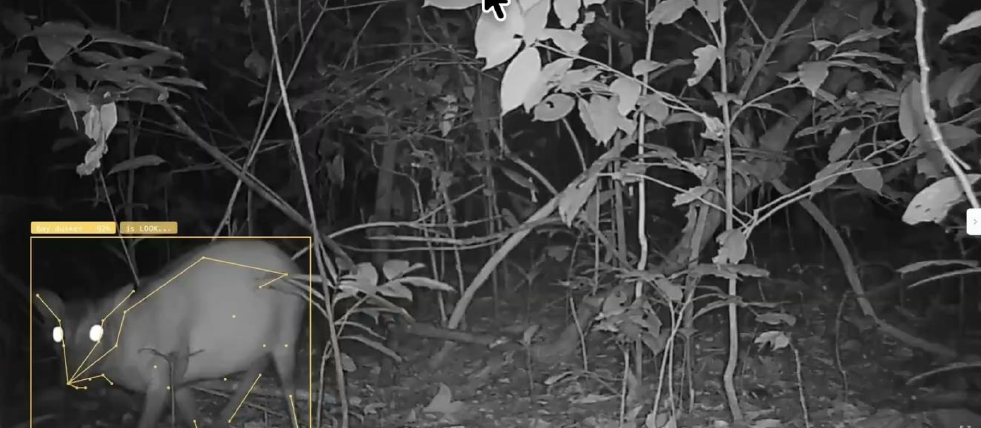
In conservation science, the Animal Indicators team, led by Crickette Sanz with student contributors Brian Zhou, Noah Wolk, and Selah Pabon, built a machine-learning pipeline that can analyze wildlife camera-trap footage to detect and count animals, identify species, estimate distance and recognize behavior, helping researchers turn enormous volumes of video into usable biodiversity data.
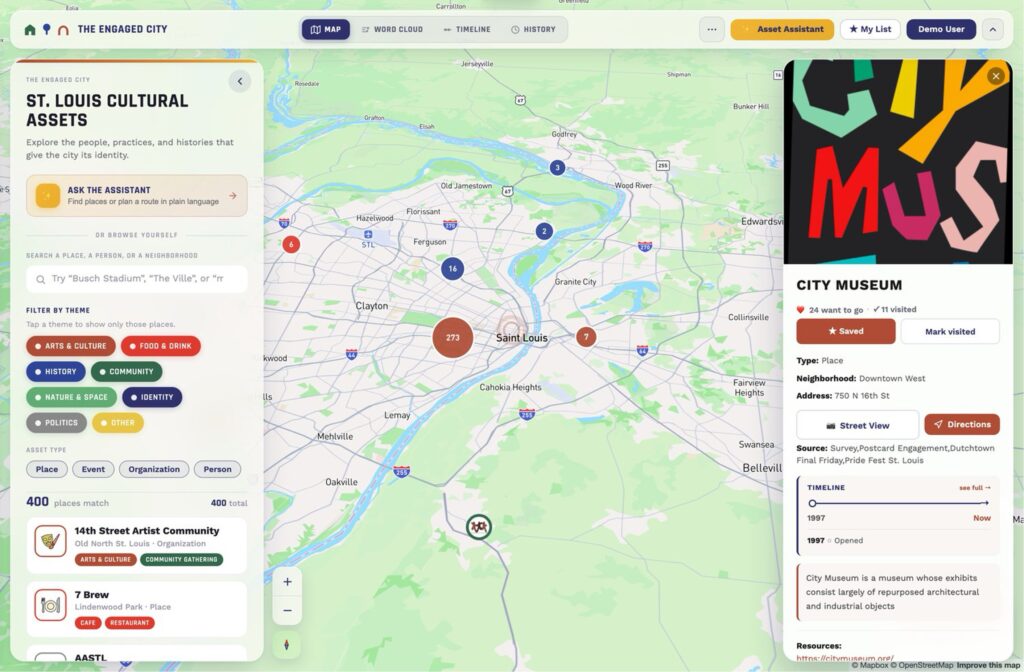
And the interdisciplinary Engaged City team, consisting of Matthew Bernstine, Bruce Lindsey, Tila Neguse, and Laura Perry, with student contributors Marc Serebrisky, Evan Xia, and Tejas Garg created an interactive map of St. Louis cultural assets that includes historical figures, local organizations, landmarks, and community events. This ongoing project makes cultural resources that are often scattered or undocumented easier to discover, explore, and study.
Research by design
The 2026 Corps also put more emphasis on design. Students from the Sam Fox School of Design & Visual Arts’ new Master of Design for Human-Computer Interaction and Emerging Technology (MDes) were embedded across nearly every project, bringing human-centered design into the process from the beginning.
MDes student Jillian Jackson wrote, “This was my first time designing for a system that would actually be implemented, rather than just making proof of concepts and prototypes.”
Humans direct the work, agentic coding changes the pace
The pace of development changed dramatically, too. In 2025, the goal was to reach a working prototype by the end of ten weeks. This summer, teams developed and presented a minimum viable product around the program’s five-week midpoint, leaving the second half for testing, refinement and closer collaboration with investigators.
This pace was enabled by the rapid advancements in agentic coding, in which AI agents can help developers work through multi-step software tasks under human direction. During orientation week, David Ferry, senior lecturer in computer science and engineering at McKelvey Engineering, led students through a three-day workshop on agentic coding, piloting material he is developing for future McKelvey Engineering coursework. The DTRC also served as an early testing ground for enterprise AI tools, including Claude and its coding assistant, as WashU expands secure access to advanced AI tools.
These tools can accelerate prototyping and implementation, accomplishing in hours what would typically take months. As Ferry put it simply: “Research is going to get faster.” At the same time, AI coding agents cannot outright replace the researcher or developer. Humans still need to define the problem, review and test the code, evaluate outputs and make sure what was built is reliable, secure and serves the research.
By the end of the summer, teams left with working prototypes they can continue to validate and expand through external funding.
On September 17, the Digital Transformation Research Corps Showcase will kick off AI Perspectives Week, giving the WashU community a chance to see what the teams developed over the summer and where the research is going next.
Applications for faculty and students to participate the 2027 DTRC will open later this academic year.