
In the clouds: Using AI to predict rainfall and extreme weather
A team of WashU researchers from the 2026 Digital Transformation Research Corps built a tool that uses AI and statistics to improve predictions for rainfall and extreme weather events.
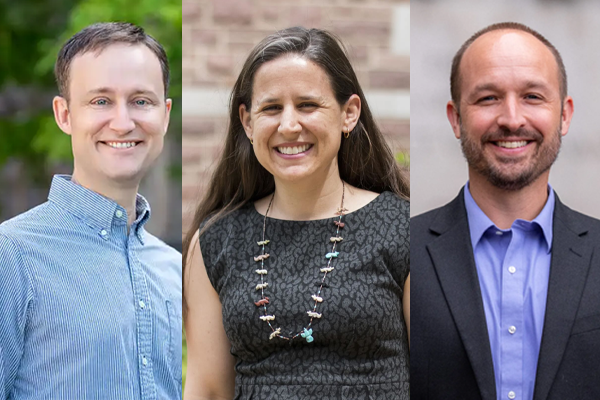
Q&A: WashU vice provosts on AI spending, student privacy, and what students should still learn themselves
Student Life spoke with Nathan Jacobs, vice provost for artificial intelligence; Betsy Sinclair, vice provost for innovation; and Andrew Butler, vice provost for undergraduate education, about what WashU’s recent investments in AI mean in practice.

Using AI to fight election misinformation works, WashU research finds
AI-generated ‘pre-bunking’ articles offer new scalable solution
WashU kickstarts new AI faculty cluster hiring program
WashU announced new cluster hiring campaign seeking to employ over 30 new tenure-track faculty members by 2029 and expand artificial-intelligence-centric research.
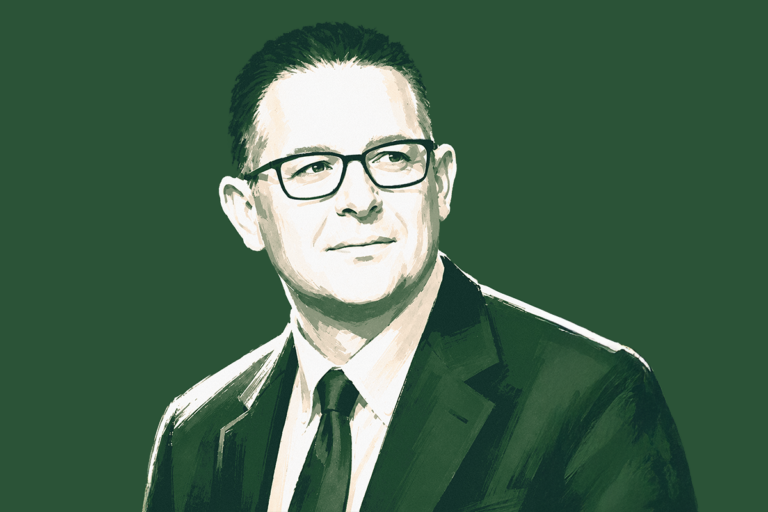
A Q&A with Philip R.O. Payne: Where AI in healthcare is headed
Why trust, training and judgment still matter.
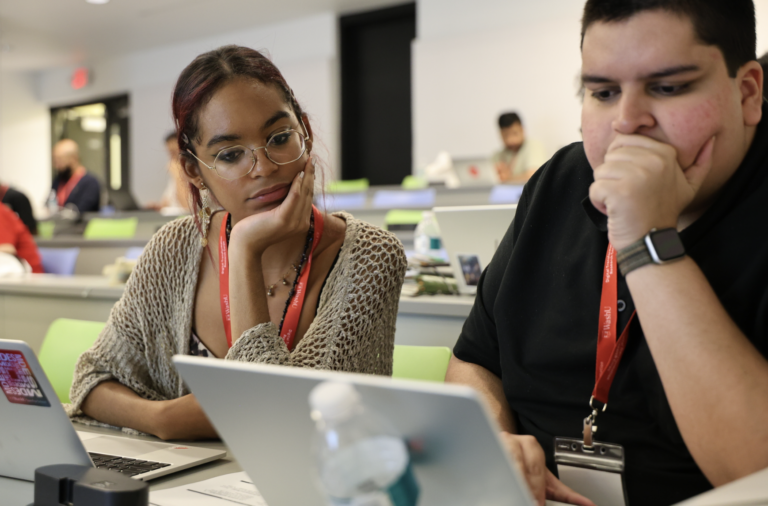
Designing better AI tools
Four Sam Fox School students served as the inaugural design consultants in WashU’s Digital Transformation Research Corps, ensuring AI-based tools were designed with human users in mind.

WashU research finds gaps in Google AI Overview citations, claims
In the broadest independent audit to date, researchers found Google AI Overviews generally cite credible sources, but citations don’t guarantee accuracy: about 11% of verifiable claims lacked support or contradicted cited sources.

Some assembly required, with machine learning
WashU researchers are working on ways to use machine learning to not just make predictions about potential chemical compounds but also to model out the synthesis of those materials.

Building an Ethical, AI-Competent 3D Library of Human Remains
As part of the 2026 Digital Transformation Research Corps, principal investigators Sarah Baitzel and Thomas Cody Prang explored possibilities for ethically enabling the future study and teaching of human skeletal remains.
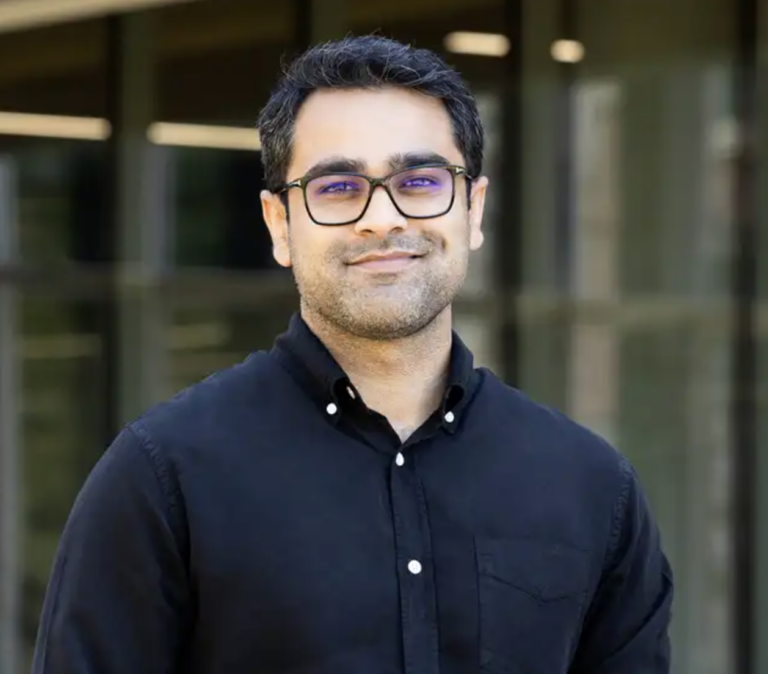
AI agents prompt redesign of web for security, privacy, reliability
Funded by a NSF Career Award, Umar Iqbal plans to redesign the web with infrastructures catered to AI agents and to meet higher, safer and stricter standards.