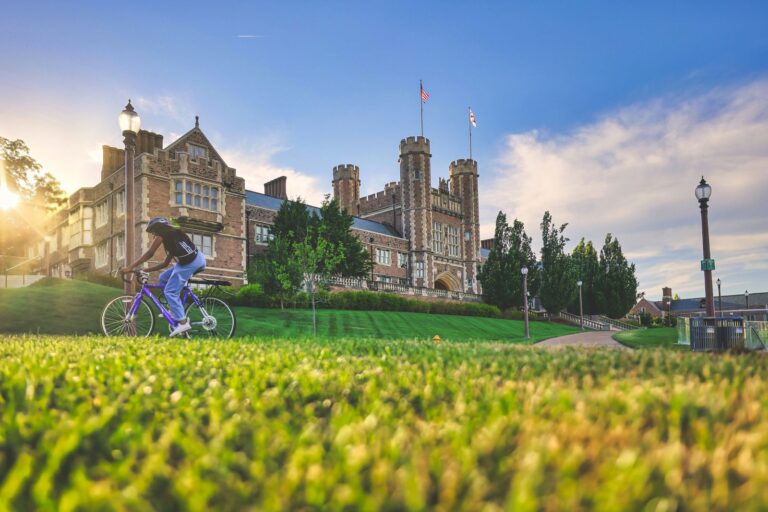
Apply Now: RAISE-AI seed grants support research on safe, ethical human-AI interaction
The RAISE seed funding program aims to support innovative, collaborative projects to foster unique, interdisciplinary research for transformative impact on Human-AI interaction, focusing on the development of AI-embodied agents capable of reasoning about human behavior to ensure safe, robust, and ethical interaction.
How is AI changing the field of math?
As the chair of the Department of Mathematics, Brett Wick has a front-row view of a field in the midst of a revolution. As mathematicians pose new questions and explore new concepts, artificial intelligence is transforming the way they work.
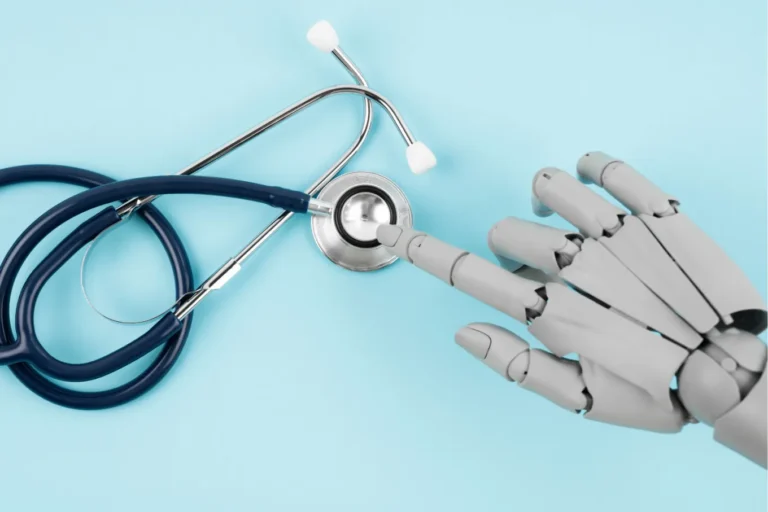
AI Chief: Treating medical AI as new is a ‘real danger’
Artificial intelligence had a rapid rise in health care, but one health system AI chief says treating the technology as a new phenomenon could cause the industry to overlook decades of lessons about how to use it.
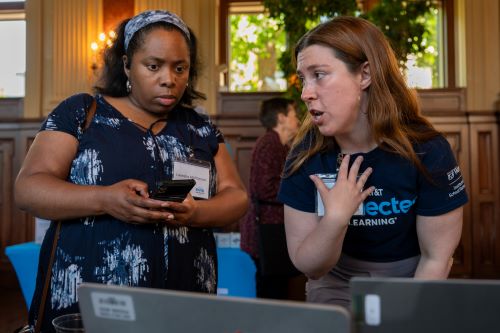
Educators navigating AI have an opportunity to revisit what lies at the heart of learning
The Institute for School Partnership is helping K-12 teachers respond to the evolution of artificial intelligence by working together and focusing on the fundamentals of learning.

In the clouds: Using AI to predict rainfall and extreme weather
A team of WashU researchers from the 2026 Digital Transformation Research Corps built a tool that uses AI and statistics to improve predictions for rainfall and extreme weather events.
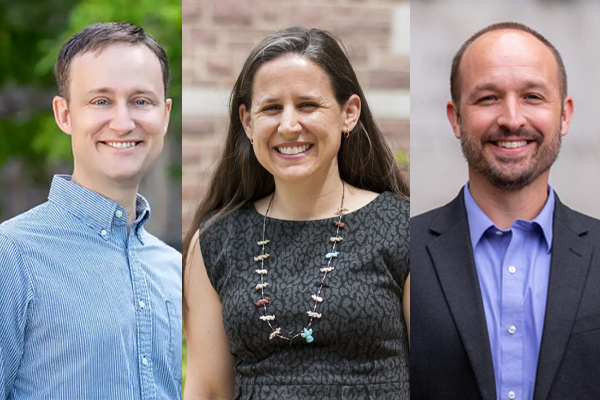
Q&A: WashU vice provosts on AI spending, student privacy, and what students should still learn themselves
Student Life spoke with Nathan Jacobs, vice provost for artificial intelligence; Betsy Sinclair, vice provost for innovation; and Andrew Butler, vice provost for undergraduate education, about what WashU’s recent investments in AI mean in practice.

Using AI to fight election misinformation works, WashU research finds
AI-generated ‘pre-bunking’ articles offer new scalable solution
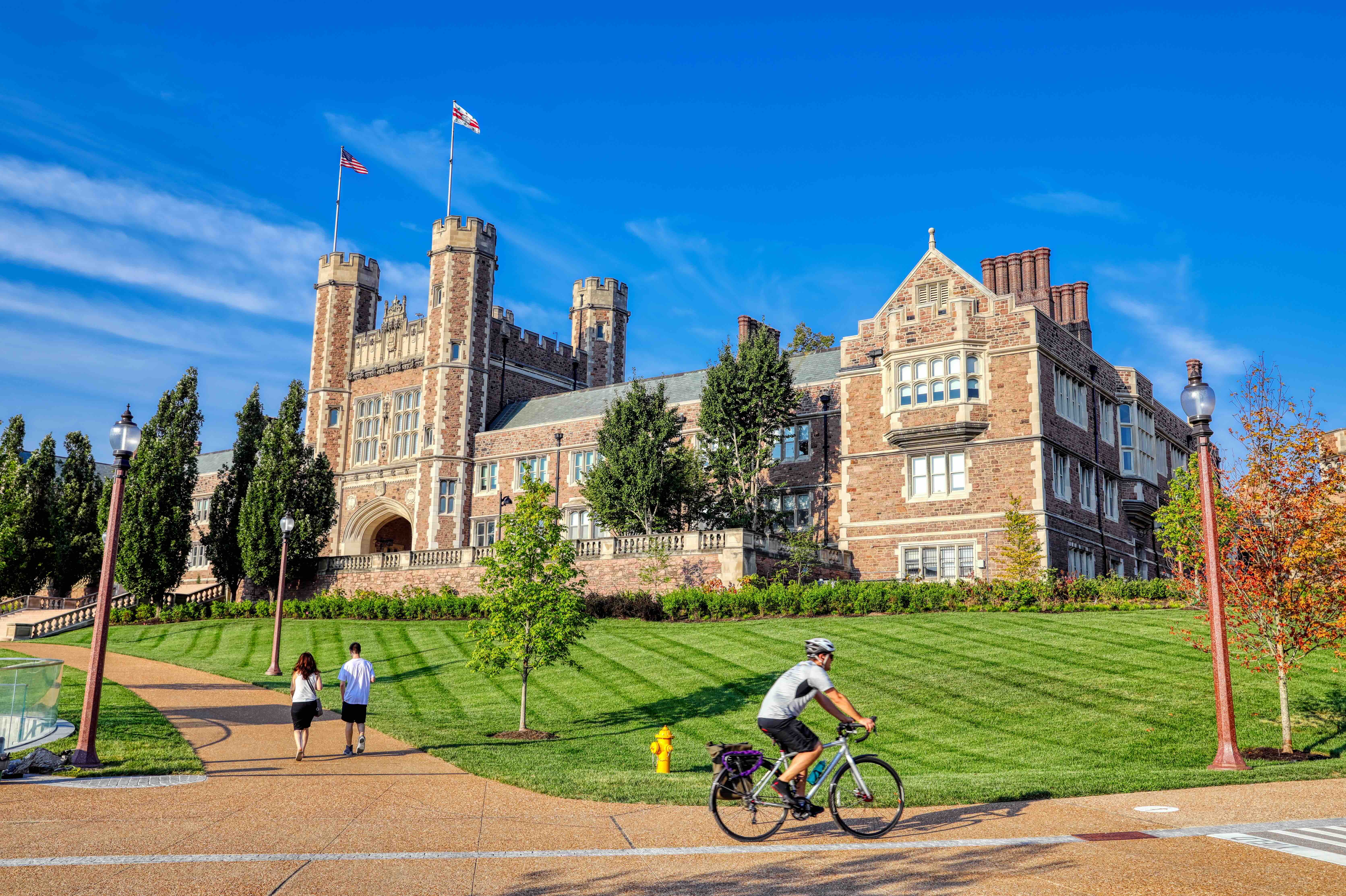
WashU kickstarts new AI faculty cluster hiring program
WashU announced new cluster hiring campaign seeking to employ over 30 new tenure-track faculty members by 2029 and expand artificial-intelligence-centric research.
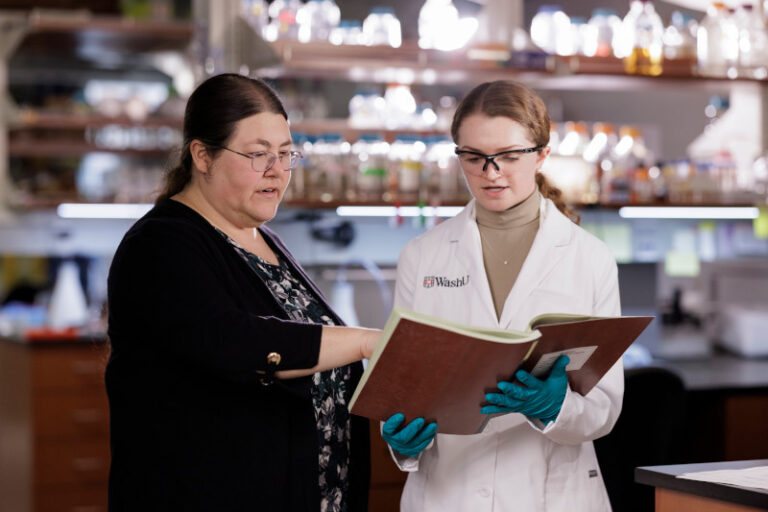
Simulating quality assurance reviews in technical writing
Engineering students use a secure generative AI model trained on course materials to critique their own technical writing drafts.

Decoding disaster: AI research loops meets human ethics
Students choose a historical extreme weather event and use NotebookLM to build a factual timeline, sort research into “factual” and “trauma-informed” categories, and then independently identify whose experiences are missing from the record.