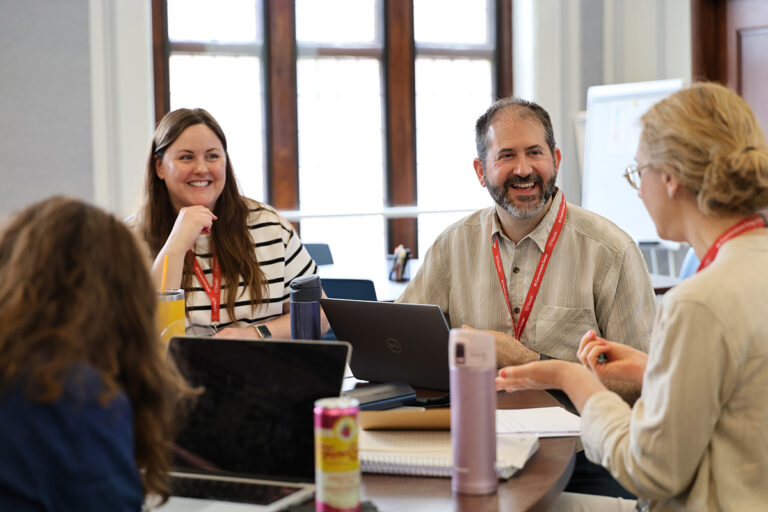
A new toolkit for teaching in the age of AI
Anna Cunningham from the Center for Teaching and Learning is creating space for faculty to question and test AI in WashU courses and assignments.
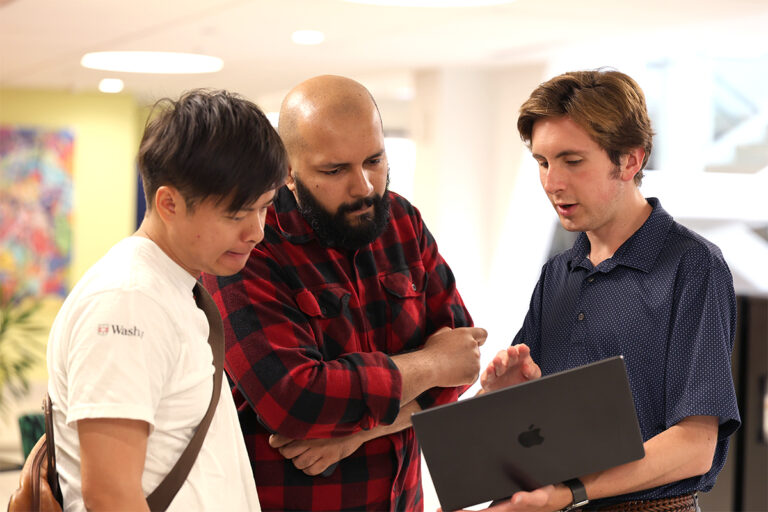
AI Perspectives Week showcases AI innovation, debate and discovery
The series features lectures, workshops and panels on topics ranging from environmental research to ethics to legal issues.
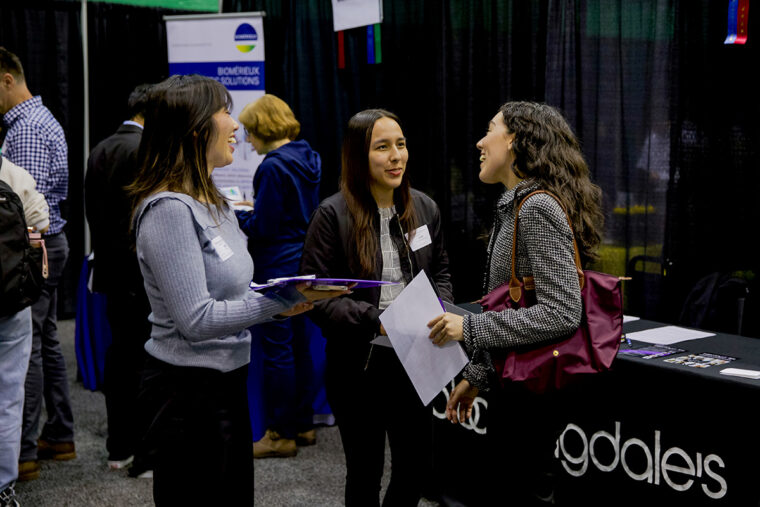
WashU Expert: Finding a job in the AI era
WashU career expert Casey Jenkerson advises students to build their professional networks early.
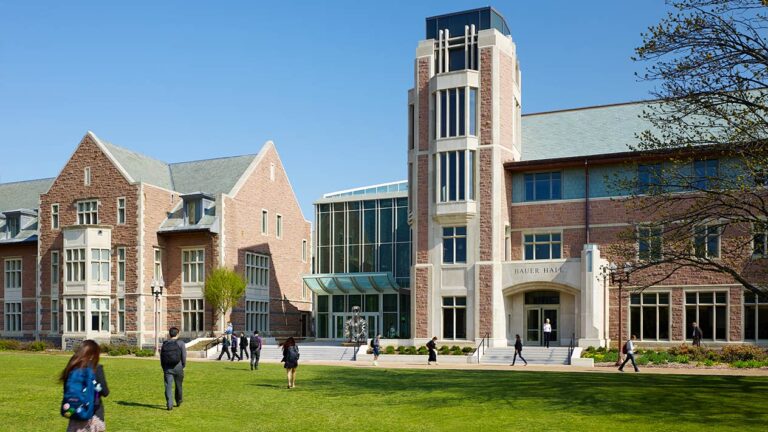
Emerson gives $4M to WashU’s Olin Business School for endowed AI professorship
The endowed professorship will be held by Dennis Zhang, who joined Olin in 2016. Emerson’s CEO is a WashU trustee and Olin graduate.
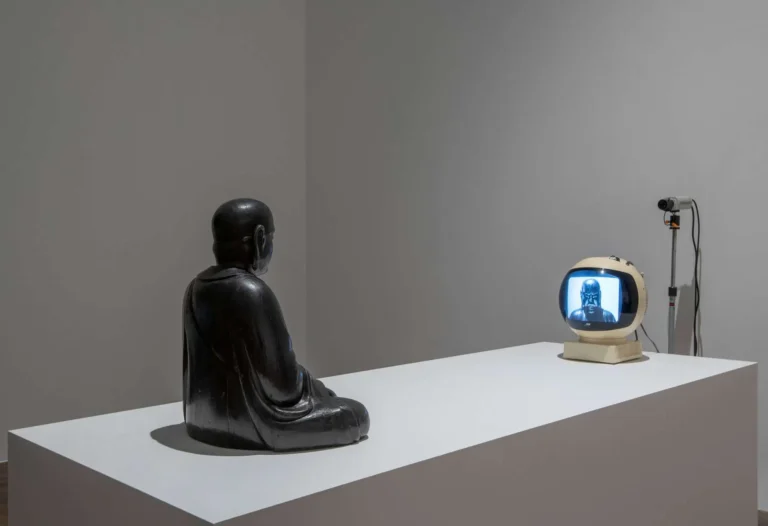
Can AI rejuvenate the liberal arts?
William Acree reflects on the rapid influence of AI in academic life and his experience teaching a writing-intensive course focused on AI.

Some assembly required, with machine learning
WashU researchers are working on ways to use machine learning to not just make predictions about potential chemical compounds but also to model out the synthesis of those materials.

Building an Ethical, AI-Competent 3D Library of Human Remains
As part of the 2026 Digital Transformation Research Corps, principal investigators Sarah Baitzel and Thomas Cody Prang explored possibilities for ethically enabling the future study and teaching of human skeletal remains.

Data do or data don’t? An AI-assisted data ethics audit
Students test a project dataset against data ethics and privacy standards, then use a university-approved AI tool to check it against FAIR principles, feeding the AI both their data and key institutional guidelines.
AI agents prompt redesign of web for security, privacy, reliability
Funded by a NSF Career Award, Umar Iqbal plans to redesign the web with infrastructures catered to AI agents and to meet higher, safer and stricter standards.
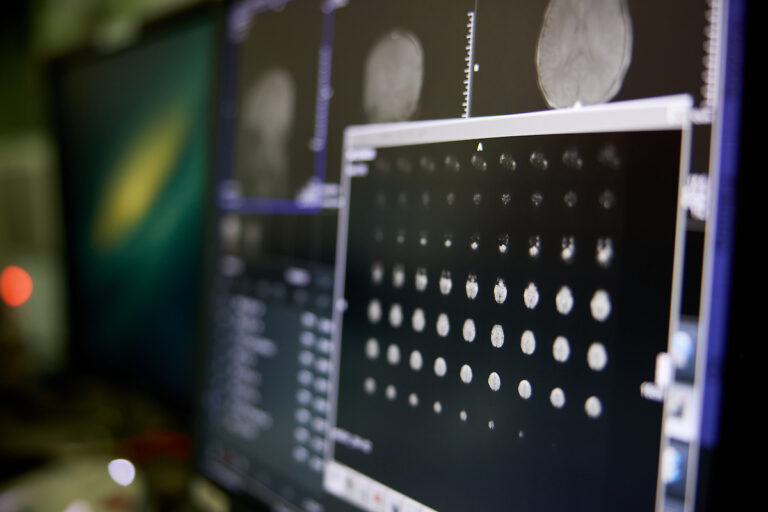
New technique evaluates reliability of AI-enabled medical imaging
WashU researchers have developed a method called that ranks AI-based imaging tools for accuracy, even when there’s no known “ground truth” to compare against. In tests, it correctly identified the most precise imaging method 95% of the time.